
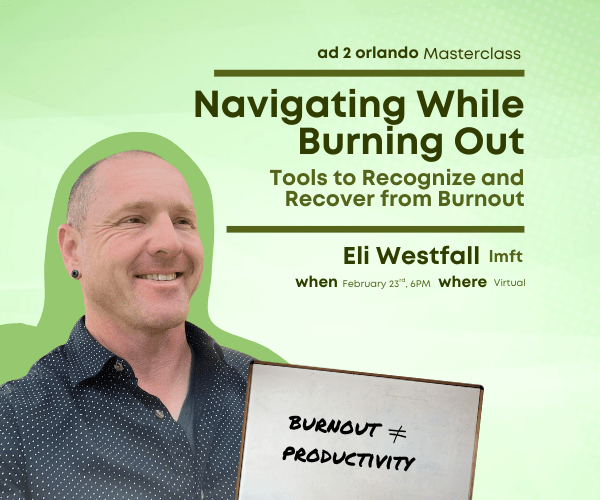
Recently, I was given the opportunity to give a masterclass on navigating burnout. I am certainly not an expert on the subject, but I have definitely experienced it on my own. More than once. I don’t know where you are or what you are going through right now, maybe you need to hear these words about burnout as much as those who attended the masterclass this week.
I hope you are able to take three things away from these thoughts on burnout: how to recognize burnout, how to respond to burnout, and how to recover from burnout. These are not revolutionary ideas you have never heard before. They aren’t rocket science or brain surgery. They are relatively simple things, that when we are overwhelmed and stressed out it is hard to slow down and notice or to implement. So, here we go…
- Recognize burnout. According to the World Health Organization, burnout is a state of emotional, physical, and mental exhaustion caused by prolonged, unmanaged, or excessive stress, typically related to work but often extending to personal life. It has several key aspects to it which include: exhaustion – feeling drained, empty, and unable to cope, with constant tiredness even after rest. Cynicism & detachment – which is characterized by a negative, cynical, or detached attitude towards one’s job, colleagues, or responsibilities. And often decreased productivity, lack of creativity, and feelings of helplessness or ineffectiveness. Burnout can pervasively impact our lives in negative and harmful ways. Some common signs or symptoms of burnout include: physical symptoms, such as chronic fatigue, insomnia, headaches, and gastrointestinal issues. Emotional symptoms such as irritability, apathy, feelings of dread, and feeling overwhelmed. It is considered an occupational phenomenon and is differentiated from depression because it is usually specific to a particular context (like a job), whereas depression typically impacts all areas of life.
- Respond to burnout. This is the easiest step in the whole process. Like with 12 step programs, the first step to recovering from burnout is to admit there is a problem. To be honest with ourselves and admit we are experiencing burnout. We can let pride get in the way of admitting we are experiencing burnout – I can do it alone. We can let shame get in the way of admitting we are experiencing burnout – I should be able to do this alone. We can let past hurt get in the way of admitting we are experiencing burnout – we asked for help and our vulnerability was abused or taken advantage of. We tend to think everyone around us has everything figured out and is living their best lives. Reality is, everyone is barely hanging on and faking their way through it too.The romanticized myth of the lone wolf simply isn’t true, the belief that strength, success, and leadership come from rugged individual independence rather than social connection. In reality, wolves are intensely social, and while some disperse alone to find mates, they struggle to survive without a pack.
- Recover from burnout. Recovering from burnout requires intentionally slowing down, setting strict boundaries, and prioritizing self-care to replenish physical and emotional energy. Some essential steps to take to begin recovering from burnout: take time off, practice mindfulness, re-evaluate your priorities, and seek support from your friends and family or professionals. Actionable strategies involve things like limiting non-essential tasks, improving sleep, and exercising. A few key strategies for burnout recovery include making sure to prioritize rest and disconnection: 1) Take time off work or, at minimum, a “mental health day”. Set strict boundaries, such as not checking email after hours, to allow for recovery. 2) Reevaluate and Set Boundaries: Learn to say “no” to new commitments to reduce workload. Delegate tasks where possible, both at work and at home, and communicate your needs to supervisors or partners. 3) Physical Health Restoration: Focus on getting 7-9 hours of consistent sleep. Engage in light, regular physical activity, such as walking, to release tension. 4) Seek Social Support: Avoid isolation by talking to friends, family, or colleagues who can provide perspective and emotional relief. 5) Practice Mindfulness and Self-Care: Engage in activities you enjoy without pressure, such as hobbies, reading, or mindfulness exercises like journaling. 6) Professional Help: Consider therapy to gain tools for stress management and to address the root causes of burnout.
Burnout can cause us a lot of pain, but it doesn’t have to be fatal. And it doesn’t have to be permanent. There are ways for us to navigate through the burnout to recognize burnout, respond to burnout, and recover from burnout. There are tons of resources out there to help you with burnout. This is certainly not the definitive word on burnout, it is just the beginning of the conversation.
 eli westfall, lmft LLC
Leave a comment